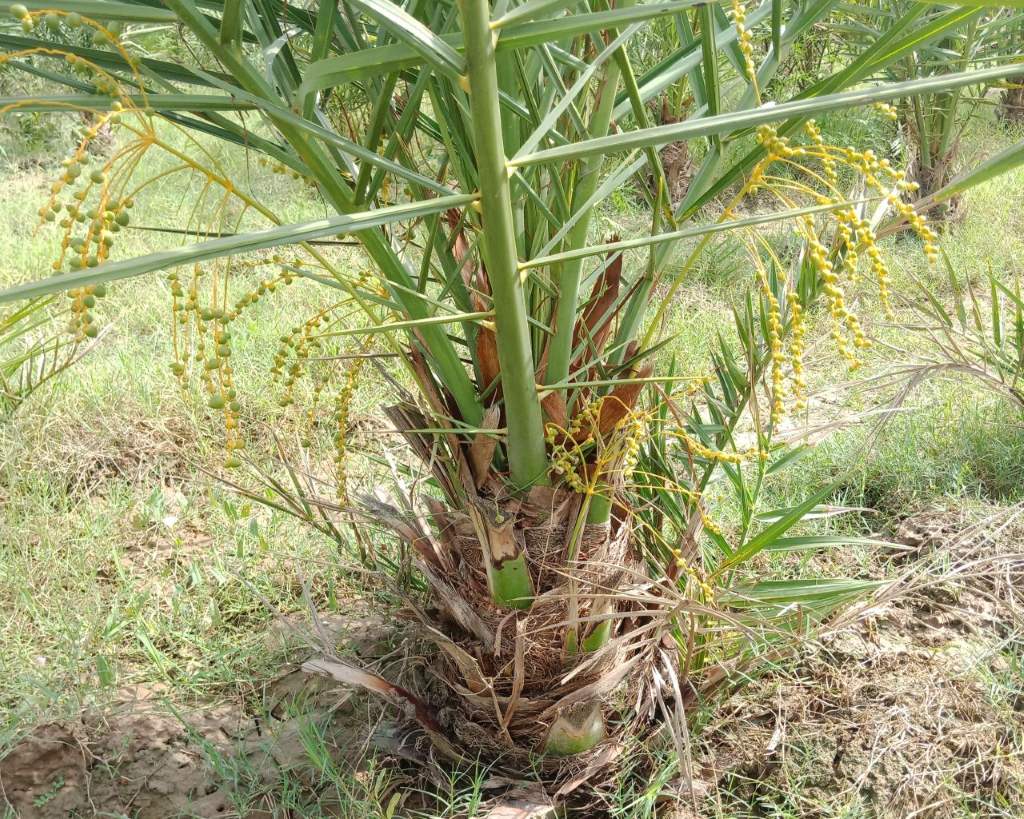
How to Grow a Khajoor (Date Palm) Plant at Home
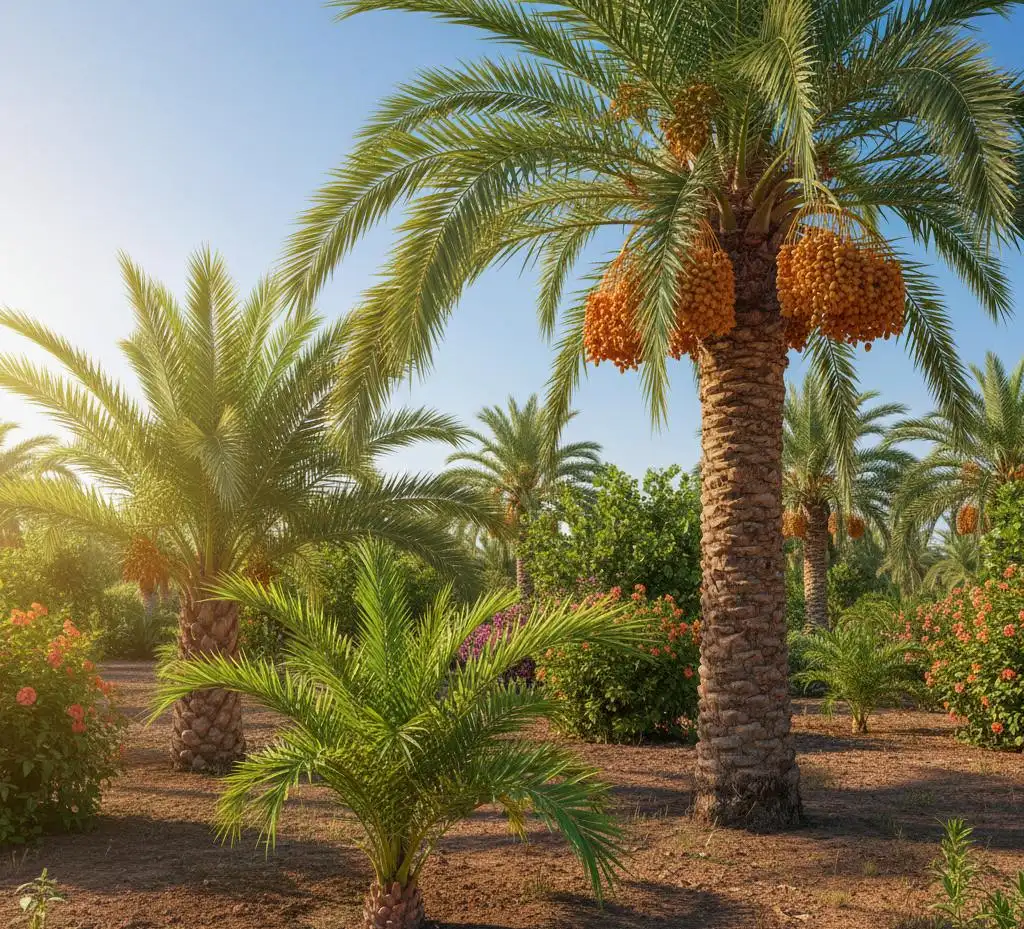
The Khajoor plant, known worldwide as the Date Palm (Phoenix dactylifera), is one of the oldest cultivated trees in human history. It has been grown for thousands of years in the Middle East, North Africa, and South Asia, and is valued for its sweet, nutritious fruits — dates. In Pakistan, Khajoor trees are commonly seen in Sindh and Balochistan, but many people are now discovering the joy of growing this plant at home. With patience, care, and the right growing environment, a date palm can thrive beautifully in your garden or even in a large pot.
Why Grow a Khajoor Plant?
Growing a Khajoor plant is not just about producing fruit; it’s about bringing a symbol of nature’s endurance into your living space. The date palm represents strength, prosperity, and resilience — thriving in extreme desert climates where most plants cannot survive. At home, it adds a touch of tropical elegance with its long, feathery leaves and tall, graceful trunk. For many, it also holds religious significance — the Khajoor is mentioned in the Qur’an as a blessed fruit, and planting it is considered an act of reward and virtue.
Even if you never get fruit from your indoor plant, nurturing a Khajoor from seed to sapling is deeply satisfying. It connects you to a centuries-old tradition of cultivation, patience, and care — qualities that every gardener values.
Materials You’ll Need
To grow a Khajoor plant successfully at home, you don’t need complicated tools or expensive supplies. Here’s what you’ll need:
- Fresh Khajoor (Dates): Choose unprocessed or organic dates with intact seeds. Avoid dates that are too dry or have damaged pits.
- Pots or Seedling Containers: Small plastic pots or recycled containers with drainage holes work best for the germination stage.
- Soil Mix: A sandy, well-draining mix — ideally a combination of garden soil, river sand, and coco peat in equal parts.
- Water Spray Bottle: Helps maintain moisture without overwatering the soil.
- Warm, Sunny Spot: A balcony, rooftop, or south-facing window with direct sunlight for at least 6 hours daily.
Step-by-Step: Growing Khajoor from Seeds
1. Collect and Prepare the Seeds
Start by selecting a few good-quality dates — ideally soft, fresh ones rather than dry or processed varieties. Gently remove the seeds, rinse off any fruit residue, and soak them in warm water for two to three days. Change the water daily to keep it clean. This softens the hard outer shell of the seed and helps initiate germination. You’ll notice the seeds swell slightly after soaking — this means they’re absorbing moisture and getting ready to sprout.
2. Germination Process
After soaking, wrap the seeds in a moist paper towel or cotton cloth and place them inside a resealable plastic bag. Store the bag in a warm, dark place — around 25–30°C is ideal. Check the seeds every few days to ensure the towel remains damp (not dry or overly wet). Within two to three weeks, you may start seeing tiny white roots emerging from the seeds — this is the first sign of life.
If no roots appear after three weeks, be patient — some seeds take longer depending on temperature and moisture levels. As soon as roots are visible, your seeds are ready for planting.
3. Planting the Seeds
Fill your small pots with the prepared sandy soil mixture. Using your finger, create a hole about 2 inches deep and gently place the seed with the root pointing downward. Cover it lightly with soil — don’t press too hard, as date palm roots need air to grow. Water the soil lightly with a spray bottle to keep it moist. The soil should never be soggy; excess moisture can cause the seed to rot.
4. Provide the Right Environment
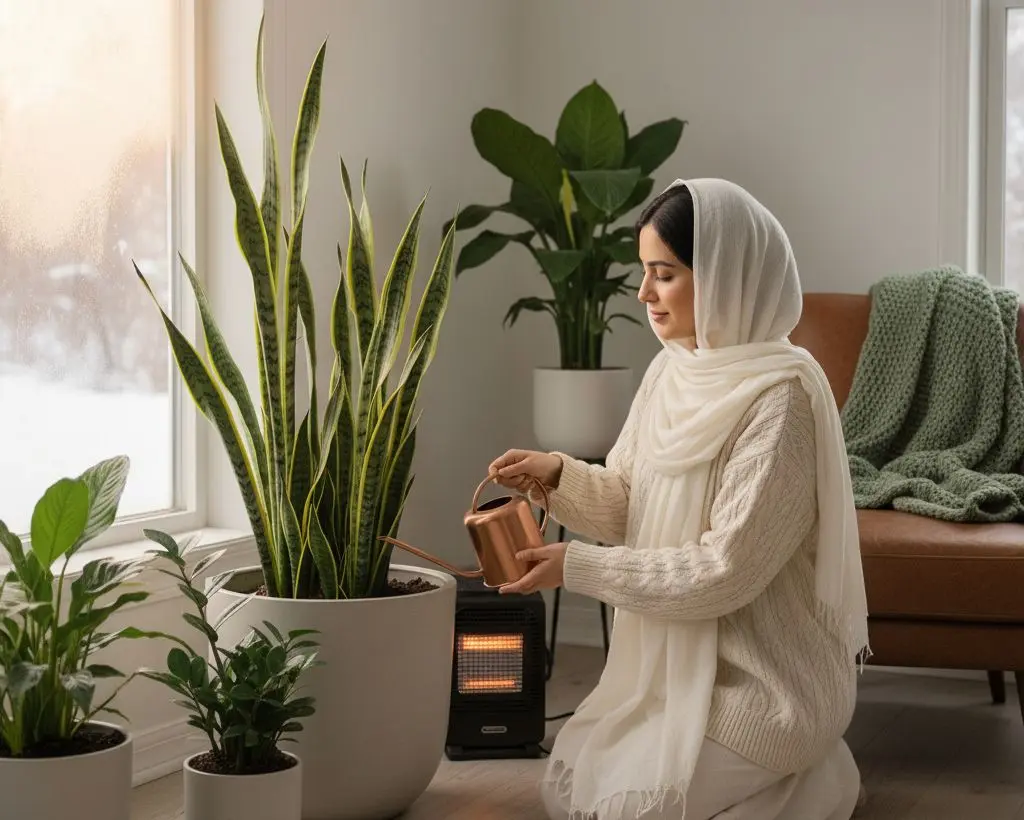
Date palms are sun-loving plants that thrive in warm and dry conditions. Place the pots where they can receive at least 6–8 hours of direct sunlight every day. In cooler months, you can keep them indoors near a sunny window or under a grow light. Avoid shaded areas or cold drafts — both can slow down growth significantly. If you live in a colder region, maintaining warmth around the pots with a heating pad or by covering them with a transparent plastic dome can help stimulate early growth.
5. Watering Schedule
A balanced watering routine is crucial. Young Khajoor seedlings prefer evenly moist soil, but not waterlogged conditions. Water whenever the top layer of soil feels dry to the touch. During hot summer days, daily light watering may be necessary, while in cooler months, watering once or twice a week is sufficient. Always ensure proper drainage to prevent root rot.
6. Transplanting the Seedling
After three to four months, your Khajoor plant will grow taller and stronger, with several green leaves. When the plant reaches about 12–15 inches in height, it’s time to move it into a larger pot or directly into the ground. Choose a spacious area with plenty of sunlight. Prepare the soil by loosening it and mixing in organic compost or well-rotted manure to provide nutrients. Handle the roots gently during transplantation to avoid damage.
Care Tips for a Healthy Khajoor Plant
Date palms are relatively low-maintenance once established, but a few simple practices will ensure healthy growth:
- Sunlight: Full sun exposure is essential. Without it, the plant becomes weak and pale.
- Soil: Use sandy or loamy soil with excellent drainage. Clay-heavy soil should be avoided.
- Fertilizer: Feed your plant every two to three months with organic compost or slow-release fertilizer.
- Pruning: Trim dried or damaged leaves regularly to maintain a clean, healthy look.
- Pest Control: Occasionally check for mealybugs or scale insects and treat them with natural neem oil spray if needed.
Common Mistakes to Avoid
Even experienced gardeners can face challenges with Khajoor plants. Avoid these common errors:
- Overwatering — too much water causes root decay.
- Using compact or water-retentive soil that lacks drainage.
- Placing the plant in low-light or cold environments.
- Ignoring slow growth — date palms are naturally slow growers and require patience.
How Long Does It Take to Grow Dates?
Growing a date palm to the fruit-bearing stage requires long-term commitment. In natural conditions, a Khajoor tree may take anywhere from 4 to 8 years to produce its first bunch of dates — sometimes longer in home environments. The fruiting process also depends on having both male and female plants, which can be difficult to determine from seeds. However, even without fruit, your Khajoor plant can serve as a stunning ornamental addition to your space, symbolizing growth, patience, and natural beauty.
Conclusion
Growing a Khajoor plant at home is a journey of patience and dedication. From planting a simple seed to nurturing it into a tall, elegant palm, the process teaches the true meaning of growth. With proper sunlight, warmth, and care, your date palm will flourish — reminding you of the beauty and resilience of nature every time you see its lush green leaves waving in the wind. Whether for its fruit, beauty, or blessings, the Khajoor plant is a meaningful choice for every home garden.
Written by the Master Plants Team – Your trusted source for plant care, gardening tips, and natural living inspiration.